

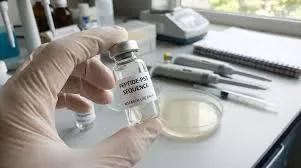
Researchers working with peptides know that the quality of their experimental results often depends on how carefully peptides are stored and handled. Even highly pure peptides can degrade quickly if they are exposed to heat, moisture, light, or repeated freeze–thaw cycles. When degradation occurs, experiments become inconsistent and data reliability suffers.
For laboratories that rely on research-grade compounds such as Paradigm Peptides Retatrutide, maintaining peptide integrity is essential. Small changes in temperature or handling methods can affect peptide stability, structure, and biological activity.
Pharma Grade Peptides provide high‑quality research materials, but proper storage inside the laboratory ultimately determines whether the peptide remains stable throughout the research process.
This guide explains practical peptide storage and handling strategies that researchers use to maintain stability, accuracy, and reproducibility in peptide-based experiments.
Understanding Peptide Stability in Laboratory Settings
Peptides are chains of amino acids linked by peptide bonds. Although they are structurally smaller than proteins, they are still sensitive biological molecules.
Several environmental factors influence peptide stability:
Temperature
Heat accelerates chemical reactions that break peptide bonds. High temperatures can cause hydrolysis or oxidation.
Moisture
Water can trigger peptide degradation, especially during long-term storage.
Oxygen Exposure
Oxidation can damage peptides containing amino acids such as methionine or cysteine.
Light
Ultraviolet light can degrade sensitive peptides.
Because of these vulnerabilities, most peptides are stored under cold, dry conditions to preserve their structure.
Researchers studying compounds like retatrutide from peptidessource, often follow strict laboratory storage protocols to ensure that peptide samples remain viable for extended experimental timelines.
Recommended Storage Temperatures for Research Peptides
Correct temperature is one of the most important factors in peptide preservation.
Short-Term Storage
If a peptide will be used within a few days, storing it at 2–8°C in a laboratory refrigerator is typically sufficient.
However, this approach is only suitable for stable peptides and short research timelines.
Long-Term Storage
For extended storage, peptides should be kept at -20°C or -80°C.
Ultra‑low temperature freezers significantly slow chemical degradation and maintain peptide structure over months or even years.
Avoiding Freeze–Thaw Cycles
One of the most common mistakes in peptide research is repeatedly freezing and thawing the same sample.
Every freeze–thaw cycle exposes the peptide to condensation and temperature stress. Over time, this leads to structural breakdown.
Best Practice: Aliquoting
Researchers typically divide peptide samples into small aliquots immediately after receiving them.
Benefits of aliquoting include:
Preventing repeated freeze–thaw cycles
Maintaining peptide integrity
Reducing contamination risk
Each aliquot can then be thawed individually for a specific experiment.
This technique is widely used when working with research peptides such as Paradigm Peptides Retatrutide in controlled laboratory studies.
Lyophilized vs Reconstituted Peptides
Another important consideration is whether the peptide is stored in lyophilized (freeze‑dried) form or reconstituted (liquid) form.
Lyophilized Peptides
Lyophilized peptides are generally more stable.
Advantages include:
Lower degradation risk
Longer shelf life
Reduced moisture exposure
For long‑term storage, researchers typically keep lyophilized peptides frozen until they are needed.
Reconstituted Peptides
Once a peptide is dissolved in solvent, its stability decreases.
Common solvents include:
Sterile water
Acetic acid solution
Dimethyl sulfoxide (DMSO)
After reconstitution, peptides should be stored at low temperatures and used within a defined time frame.
Laboratory protocols vary depending on the peptide sequence and solvent used.
Choosing the Right Solvent for Reconstitution
Selecting the correct solvent plays a key role in peptide stability.
Researchers consider several factors:
peptide solubility
peptide charge
experimental application
Water-Based Solvents
Sterile distilled water is often used for simple peptide sequences.
However, some peptides dissolve poorly in water alone.
Acidic Solutions
Dilute acetic acid can improve solubility for certain peptides.
Organic Solvents
DMSO is sometimes used for hydrophobic peptides that resist aqueous solutions.
Researchers often begin with a small solvent volume and gradually increase it to prevent aggregation.
Preventing Peptide Contamination
Maintaining sterile handling practices is essential during peptide preparation.
Contamination can alter peptide activity and compromise experimental results.
Key contamination risks include
microbial growth
cross‑sample contamination
airborne particles
Recommended handling techniques
Work in a clean laboratory environment
Use sterile pipette tips
Wear gloves and lab coats
Avoid repeated opening of peptide containers
These practices are standard in peptide research laboratories worldwide.
Light Protection for Sensitive Peptides
Certain peptides are sensitive to light exposure.
Ultraviolet radiation can break chemical bonds and cause structural changes.
To minimize light damage:
store peptides in amber vials
keep samples in dark storage boxes
avoid direct laboratory lighting
These precautions are especially important for peptides used in long‑term research experiments.
Labeling and Documentation in Peptide Research
Proper documentation ensures traceability and experimental accuracy.
Every peptide sample should include clear labeling with:
peptide name
concentration
date of preparation
storage conditions
researcher initials
Accurate labeling prevents mix‑ups and supports reproducible scientific results.
Laboratories conducting complex studies involving compounds like Paradigm Peptides Retatrutide often maintain digital inventory systems for tracking peptide batches.
Transporting Peptides Between Laboratories
Shipping and transport can expose peptides to environmental stress.
To protect sample integrity during transport:
use insulated packaging
include dry ice or cold packs
avoid prolonged transit times
Temperature monitoring devices are sometimes used for highly sensitive compounds.
Research suppliers and laboratories collaborate closely to ensure that peptides arrive under proper conditions.
Signs of Peptide Degradation
Researchers should monitor peptide samples for signs of degradation before using them in experiments.
Common indicators include:
color changes
reduced solubility
unexpected precipitation
altered experimental outcomes
Analytical techniques such as HPLC or mass spectrometry can confirm peptide purity and structural integrity.
Routine quality checks help laboratories maintain reliable experimental data.
Best Practices Summary for Peptide Storage
For quick reference, researchers often follow these core guidelines:
Store peptides at -20°C or colder for long‑term stability
Keep peptides lyophilized whenever possible
Aliquot samples to avoid freeze–thaw cycles
Protect peptides from moisture and light
Maintain sterile handling procedures
Label and document all peptide samples carefully
Following these practices helps ensure that research peptides remain stable and suitable for laboratory studies.
Frequently Asked Questions About Peptide Storage
How long can research peptides be stored?
Many lyophilized peptides remain stable for several years when stored at ultra‑low temperatures. However, stability depends on peptide sequence and storage conditions.
Should peptides be stored in solution?
Whenever possible, peptides should remain lyophilized until they are needed for experiments. Reconstituted peptides typically have shorter stability periods.
What is the best temperature for peptide storage?
For most research peptides, -20°C or -80°C storage provides optimal long‑term stability.
Why do peptides degrade after repeated thawing?
Temperature changes cause condensation and molecular stress, which can break peptide bonds or trigger chemical reactions.
Final Thoughts for Researchers
Peptide research requires careful attention to detail. Even minor handling mistakes can affect experimental outcomes.
By following established storage and handling guidelines, researchers can maintain the stability of valuable compounds and generate more reliable data.
With proper laboratory practices and high‑quality materials from trusted research sources such as Pharma Grade Peptides, scientists can focus on the most important goal: advancing peptide science through accurate and reproducible experiments.
Maintaining strict storage protocols ensures that sensitive compounds like Paradigm Peptides Retatrutide remain suitable for detailed scientific investigation.