

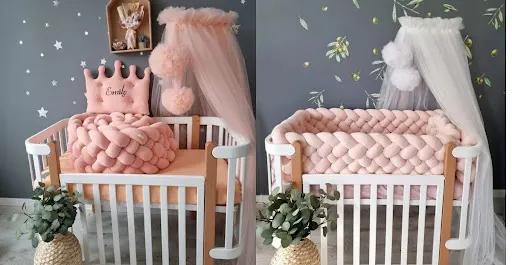
Selecting the right Crib Bumper is an important decision for parents who want to create a cozy and safe crib environment for their baby. While bumpers can protect tiny limbs from getting caught between crib rails and add comfort, safety concerns make it essential to choose wisely. Thick padding, loose ties, or decorative elements like buttons may pose choking or suffocation hazards. Understanding materials, proper installation, and safe alternatives allows parents to make informed decisions. This guide simplifies the selection process, helping parents balance comfort, style, and most importantly, their baby’s safety.
Why Crib Bumpers Are Popular
Many parents use a Crib Bumper to create a soft, cushioned barrier around the crib. It prevents babies from bumping their heads or getting arms and legs stuck between rails. Bumpers can also provide a cozy, enclosed feeling that may help babies sleep more peacefully. Additionally, decorative bumpers can complement nursery décor and make the crib visually appealing. Despite these benefits, parents need to remain cautious and prioritize safety when selecting any bumper. Awareness of modern safety standards and alternative options is critical to keeping your baby safe while still providing comfort and style.
Materials to Consider
The material of a Crib Bumper significantly impacts its safety and comfort. Breathable fabrics like mesh reduce suffocation risks, while cotton and polyester blends are soft and durable. Organic or hypoallergenic materials are ideal for babies with sensitive skin. Avoid thick or heavy padding that can cause entrapment. Proper stitching, secure ties, and high-quality fillings ensure the bumper stays in place without creating hazards. Selecting the right material ensures that the bumper protects the baby while remaining hygienic, easy to clean, and comfortable for everyday use.
Comparison Table: Crib Bumper Options
Type of Crib Bumper | Pros | Cons |
Traditional Padded | Cushions rails, decorative | Risk of suffocation, SIDS hazard |
Mesh Liner | Breathable, lightweight | Minimal padding, may shift |
Crib Rail Cover | Soft, easy to clean, protects rails | Limited coverage, not decorative |
Sleep Sack | Keeps baby warm, no loose bedding | Doesn’t protect crib rails |
This table helps parents compare different crib bumpers and alternatives for comfort, safety, and convenience when choosing the right option for their baby.
Safety Guidelines
Safety is the most important consideration when selecting a Crib Bumper. Avoid bumpers with thick padding, loose ties, buttons, or other detachable decorations that could become choking hazards. The American Academy of Pediatrics recommends mesh or thin bumpers to minimize suffocation risks. Never place toys, pillows, or blankets alongside the bumper in the crib. Inspect the bumper regularly for loose stitching or wear that could compromise safety. By following these guidelines, parents can reduce hazards while still providing a comfortable sleep environment for their baby.
Design and Aesthetic Considerations
Modern crib bumpers come in a variety of colors, patterns, and designs. Light pastel shades and soft prints create a soothing environment, while coordinating colors with bedding sets enhance nursery décor. Safety should always take precedence over decorative appeal. Avoid bumpers with knots, buttons, or detachable parts. Thin padding and breathable panels provide both visual appeal and safety. Thoughtful design ensures your baby enjoys a cozy and secure sleep space while parents maintain peace of mind.
Cleaning and Maintenance Tips
Maintaining a Crib Bumper is vital to your baby’s health. Babies can spill milk, drool, or have diaper leaks, making frequent washing necessary. Use mild, fragrance-free detergents suitable for sensitive skin. Air dry or use low-heat tumble settings to preserve softness. Simple cleaning tips include:
Wash weekly or after spills.
Rotate multiple bumpers for convenience.
Spot-clean minor stains promptly.
Inspect ties, padding, and stitching regularly.
Avoid harsh chemicals to protect delicate fabric and baby skin.
Consistent cleaning maintains hygiene and ensures a safe and comfortable sleep space for your baby.
Organizing Your Baby’s Crib
Keeping your baby’s crib organized complements the use of a Crib Bumper or its alternatives. Avoid overcrowding with extra pillows, toys, or blankets. Keep essential items like sheets, mattress protectors, and spare bumpers nearby for quick changes. A clean and minimalistic crib environment helps your baby associate the space with calm and restful sleep, while making it easy for parents to maintain hygiene and safety.
Conclusion
Selecting a safe Crib Bumper for your baby requires careful consideration of materials, design, and safety features. Breathable fabrics, secure attachments, and safer alternatives like mesh liners or sleep sacks minimize risks. Regular cleaning, inspection, and crib organization maintain a hygienic and secure environment. By making informed choices, parents can create a cozy, stylish, and safe sleep space that allows their baby to rest peacefully and comfortably every night.