

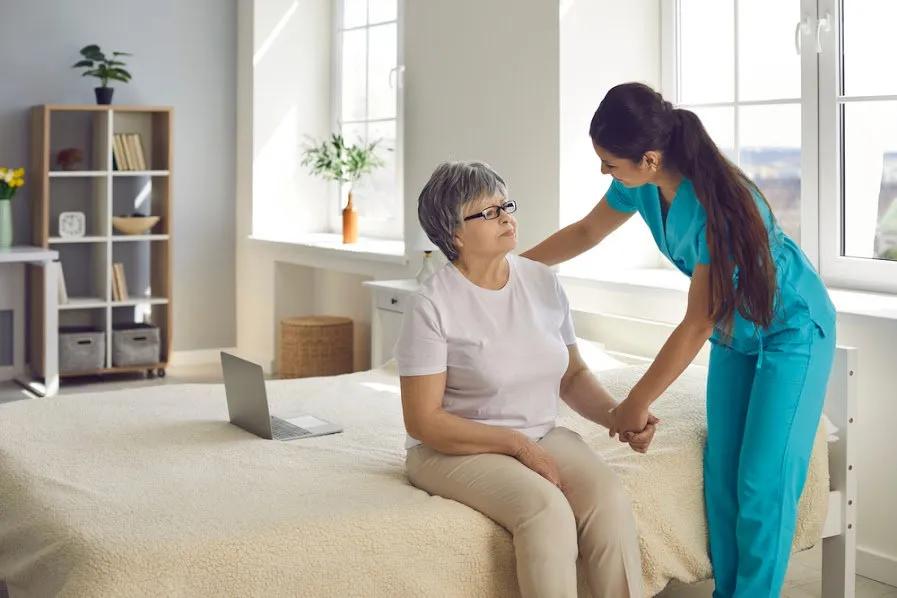
When Maria's father stopped eating and spent most days staring out the window of their Fremont apartment, she knew something had changed. The oncologist had run out of treatments to offer. Her father was tired. Maria worked long hours at a tech company in San Jose, and she couldn't quit to provide round-the-clock care. She needed help—fast, professional, and at home. Within hours of her first call, a hospice team arrived at their door with medications, a hospital bed, and a clear plan. That same evening, her father rested comfortably in his own room, pain-free for the first time in weeks.
Families across the Bay Area face similar crossroads every day. If you're searching for hospice care Bay Area, you need clarity on eligibility, coverage, services, and how quickly care can start. This guide answers those questions with evidence from Medicare guidelines, California hospice regulations, and the experiences of families who've walked this path.
What In-Home Hospice Care Bay Area Looks Like
In-home hospice Bay Area brings a full medical team to your residence—whether that's a Victorian flat in San Francisco, a suburban home in Walnut Creek, or an assisted-living apartment in Fremont. You get same-day admissions in many cases. You get 24/7 hospice nurse support by phone and in-person visits when symptoms flare. You get medications, supplies, and durable medical equipment delivered to your door, usually within hours of enrollment.
The interdisciplinary team includes a hospice physician who oversees your medical plan, a registered nurse case manager who visits regularly, social workers who help with advance directives and family meetings, chaplains who provide spiritual support, therapists (physical, occupational, speech) who address mobility and swallowing issues, bereavement specialists who walk alongside grieving families, and trained volunteers who offer respite and companionship. Every role is filled by professionals who specialize in end-of-life care Bay Area and understand the cultural diversity of this region.
Culturally sensitive care is not optional here. The Bay Area is home to thriving Chinese, Filipino, Vietnamese, Indian, Latino, Japanese, and Korean communities, each with distinct traditions around death, family decision-making, and memorial practices. Hospice teams coordinate interpreters, honor dietary restrictions, and respect rituals that matter to your family. They work in high-rise condos in downtown Oakland, hillside estates in Marin, and cramped apartments in the Mission District. Geography and housing type do not limit access.
Who Qualifies for Hospice—and When to Choose It
Hospice eligibility hinges on one core criterion: a serious illness where treatment is no longer beneficial or desired, and life expectancy is six months or less if the disease runs its typical course. That prognosis comes from a physician, but it is not a guarantee. Some patients live longer; others decline faster. Hospice can be renewed every benefit period as long as the condition remains terminal.
Signs it may be time include frequent hospitalizations that no longer improve function, uncontrolled pain or breathlessness despite medication adjustments, rapid weight loss or refusal to eat, prolonged bed rest, confusion or changes in mental status, and the patient's own stated wish to focus on comfort rather than curative treatment. Families often wait too long. National data from the National Hospice and Palliative Care Organization shows median hospice length of stay is only 18 days, meaning half of patients receive care for less than three weeks. Earlier enrollment allows more time for symptom management, family preparation, and psychosocial support.
Hospice differs from palliative care San Francisco providers may offer in hospitals or clinics. Palliative care manages symptoms at any stage of serious illness, even alongside chemotherapy or dialysis. It does not require a terminal prognosis. Hospice is a subset of palliative care activated when treatment goals shift entirely to comfort. Many Bay Area health systems coordinate seamless transitions from palliative to hospice when the patient and physician agree curative options are exhausted.
What Services, Medications, and Equipment Are Included
Your hospice physician does not replace your primary doctor unless you choose that arrangement. The physician reviews your care plan weekly, adjusts medications for pain and symptom control, and remains on-call for the nursing team. The nurse case manager visits at least once per week, more often if symptoms escalate. Nurses conduct comprehensive assessments, teach caregivers how to reposition patients and manage incontinence, coordinate equipment deliveries, and activate 24/7 hospice nurse support whenever a crisis arises after hours.
Social workers schedule family conferences to discuss advance directives, power of attorney, and end-of-life wishes. They connect families to community resources for housing, transportation, or financial assistance. Chaplains offer spiritual counseling aligned with any faith tradition or secular worldview. Hospice aides provide personal care—bathing, grooming, light housekeeping—up to several times per week depending on the plan. Therapists evaluate safety in the home, teach families fall prevention, and address swallowing difficulties that complicate nutrition.
All medications related to the hospice diagnosis are covered and delivered to your home. That includes opioids for pain, anti-anxiety drugs, anti-nausea agents, and comfort kits for breakthrough symptoms. A hospice pharmacy coordinates refills and compounding if needed. Durable medical equipment arrives quickly: hospital beds with pressure-relieving mattresses, bedside commodes, walkers, wheelchairs, oxygen concentrators, and suction machines. Supplies like gloves, bed pads, wound dressings, and catheters are restocked as you use them. There is no copay for these items under Medicare hospice coverage or Medi-Cal hospice benefits.
The 24/7 hospice nurse support line is not a recording. A registered nurse trained in hospice care answers, triages the concern, provides guidance over the phone, and dispatches an in-person visit if symptoms cannot be managed remotely. Families report this feature as one of the most valuable, especially during nights and weekends when panic and uncertainty peak.
Coverage and Costs: Medicare, Medi-Cal, and Private Insurance
Medicare hospice coverage operates under Part A and includes all hospice services, medications for symptom control, durable medical equipment, short-term inpatient respite (up to five consecutive days to give caregivers a break), continuous home care during crises, and bereavement counseling Bay Area for family members up to 13 months after death. There is no deductible. Copays are minimal: up to five dollars per prescription for outpatient drugs and up to five percent of the Medicare payment rate for inpatient respite, though many providers waive those charges. Care unrelated to the hospice diagnosis—like treatment for a broken hip—may bill separately under Medicare Part B or Part D, and the hospice team clarifies those boundaries upfront.
Medi-Cal hospice benefits mirror Medicare's structure. California's Medicaid program covers the full interdisciplinary team, medications, equipment, and respite without cost-sharing for eligible enrollees. Dual-eligible patients (Medicare and Medi-Cal) face virtually no out-of-pocket expense for hospice-related care. Private insurance plans vary, but most major carriers operating in the Bay Area—Aetna, Blue Cross Blue Shield, Cigna, Kaiser Permanente, United Health, Health Net, and others listed on provider sites—include hospice benefits modeled on Medicare's framework. Verification happens during the initial consultation call, and the hospice intake coordinator obtains prior authorization if the plan requires it.
Financial barriers should not delay enrollment. If a patient lacks insurance or has a plan the hospice does not contract with, staff help apply for emergency Medi-Cal or explore charity-care options. The goal is access, not billing complexity.
How to Start Care—Often the Same Day
Starting hospice is simpler than most families expect. The process requires a physician referral or verbal order, which hospice staff can help obtain if your current doctor is unavailable. During the initial phone call—available 24/7—a hospice coordinator asks about the patient's diagnosis, current symptoms, living situation, and insurance. They explain what hospice offers, answer questions, and schedule a consultation at your home or facility, often within hours.
At the admissions visit, a nurse completes a full assessment, reviews goals of care, gathers signatures on consent forms and advance directives, and activates the care plan. Equipment and medications are ordered immediately and usually arrive the same day or the next morning. The coordinator handles all insurance verifications, obtains physician orders, and ensures medical records transfer seamlessly. Families do not navigate bureaucracy alone.
Same-day or next-day starts are common when need is urgent. Hospice agencies in competitive markets like the Bay Area maintain robust on-call teams and pharmacy partnerships to deliver speed. The first 48 hours establish a visit schedule, emergency contact protocols, and a clear care plan so everyone—patient, family, and team—knows what to expect.
Where We Serve: Bay Area Coverage and Local Expertise
San Francisco hospice care extends across every neighborhood in the city and down the Peninsula to Daly City, South San Francisco, Pacifica, San Mateo, Burlingame, Redwood City, Palo Alto, Menlo Park, and Atherton. Fremont hospice services cover the East Bay including Oakland, Berkeley, Alameda, Newark, Union City, San Leandro, Castro Valley, Hayward, and stretches south through San Jose, Sunnyvale, Santa Clara, Milpitas, Mountain View, Cupertino, Los Gatos, Saratoga, Campbell, Gilroy, and Morgan Hill. Walnut Creek hospice supports Contra Costa County communities such as Concord, Pleasant Hill, Martinez, Pittsburg, Brentwood, Antioch, as well as Richmond, El Cerrito, Albany, Livermore, Pleasanton, Dublin, and North Bay locations including Marin County, Napa, St. Helena, Sonoma, Petaluma, Vallejo, and Benicia.
Service areas are confirmed during the initial call. If your community is not listed, ask. Coverage zones adjust based on staffing and partnerships. The Bay Area's geography—steep San Francisco hills, rural stretches of Napa Valley, dense urban blocks, and sprawling suburbs—requires flexible logistics and local knowledge. Multilingual staff and interpreter services ensure language is not a barrier for Cantonese, Mandarin, Spanish, Tagalog, Vietnamese, Korean, Farsi, Russian, and other language speakers common in the region.
Support for Families and Caregivers
Caregiver burnout is real and recognized. Hospice social workers conduct caregiver assessments, teach stress-management techniques, and arrange respite care so family members can rest, work, or attend to other responsibilities. Respite can occur at home with a volunteer or aide providing companionship, or inpatient at a contracted facility for up to five days per benefit period. Training sessions cover safe patient transfers, medication administration, wound care, and recognizing signs of imminent death so families feel prepared rather than terrified.
Chaplains visit patients and families, offering prayer, meditation, life-review conversations, or simply a listening presence. Spiritual care respects all beliefs, including atheism and agnosticism. The goal is meaning-making and peace, not conversion. Volunteers, rigorously trained and background-checked, provide companionship, read aloud, play music, or sit vigil so family members can step away briefly.
Bereavement counseling Bay Area begins before death and continues for at least 13 months after. Grief counselors offer individual sessions, support groups, memorial events, and educational materials on navigating loss. Services extend to children, spouses, adult children, and other close contacts. Community partnerships connect families to additional resources like legal aid, financial counseling, and senior centers. Culturally sensitive bereavement honors diverse mourning practices, from Catholic masses to Buddhist ceremonies to secular celebrations of life.
Frequently Asked Questions
Can care start the same day? Yes, often. Hospice teams prioritize rapid admissions when symptoms are uncontrolled or hospital discharge is imminent. Equipment and medications typically arrive within hours of the enrollment visit.
Do you offer 24/7 hospice nurse support? Absolutely. A registered nurse answers the after-hours line, provides phone guidance, and dispatches an in-person visit if the situation cannot be managed remotely. This service is included at no extra charge.
What equipment and supplies are included? Hospital beds, oxygen concentrators, wheelchairs, walkers, bedside commodes, wound care supplies, incontinence products, and any durable medical equipment related to the hospice diagnosis. Items are delivered, set up, and maintained by the hospice.
Can we keep our primary doctor? In most cases, yes. Your physician can remain involved in your care, coordinating with the hospice medical director. Some families prefer the hospice physician to assume all medical oversight, which is also acceptable.
What will it cost us? Hospice-related care is fully covered by Medicare, Medi-Cal, and most private insurance plans. There are minimal or no copays for medications, equipment, or services tied to the hospice diagnosis. Non-hospice care may bill separately under other insurance benefits.
Can hospice be revoked if we choose treatment again? Yes. Patients may revoke hospice at any time and return to curative treatment. If the condition remains terminal and criteria are met, re-enrollment is possible later. Hospice is a choice, not a one-way door.
Where is care provided? Primarily in your home—house, apartment, or room in assisted living, memory care, or skilled nursing. Hospice goes wherever you live. Short-term inpatient care is available in contracted facilities for crisis symptom management or respite.
How quickly will medications and equipment arrive? Usually within hours of admission. Hospice pharmacies and medical supply vendors maintain rapid-delivery agreements to ensure comfort items reach patients without delay.
Contact Us: Local Numbers and Next Steps
If your family is ready to explore hospice or simply ask questions, reach out now. San Francisco families can call the Daly City office at (415) 795-8824. Fremont and South Bay residents can contact (408) 900-8838. Walnut Creek and East Bay communities are served at (925) 357-8262. All three lines connect to live staff 24 hours a day, seven days a week, including holidays. Non-urgent inquiries can be submitted through secure online forms on the provider's contact page.
Learn more about in-home hospice Bay Area available across San Francisco, Fremont, and Walnut Creek by visiting detailed service pages that outline team credentials, insurance partnerships, and patient stories. Reliable, Medicare-covered end-of-life care Bay Area with 24/7 nurse access and rapid admissions is within reach for every family, regardless of neighborhood or housing type. Explore culturally sensitive hospice care tailored to your family's preferences—with free consultations and help handling all paperwork—so you can focus on what matters: time, comfort, and connection.
The Bay Area's senior population is growing faster than any other age group. More than 1.3 million residents are 65 or older, and that number is projected to reach 2.9 million by 2060 according to regional health planning data. Demand for quality hospice will only increase. Choosing a provider with deep local roots, multilingual capacity, and proven rapid-response systems ensures your loved one receives dignified, expert care when minutes and hours count most.