

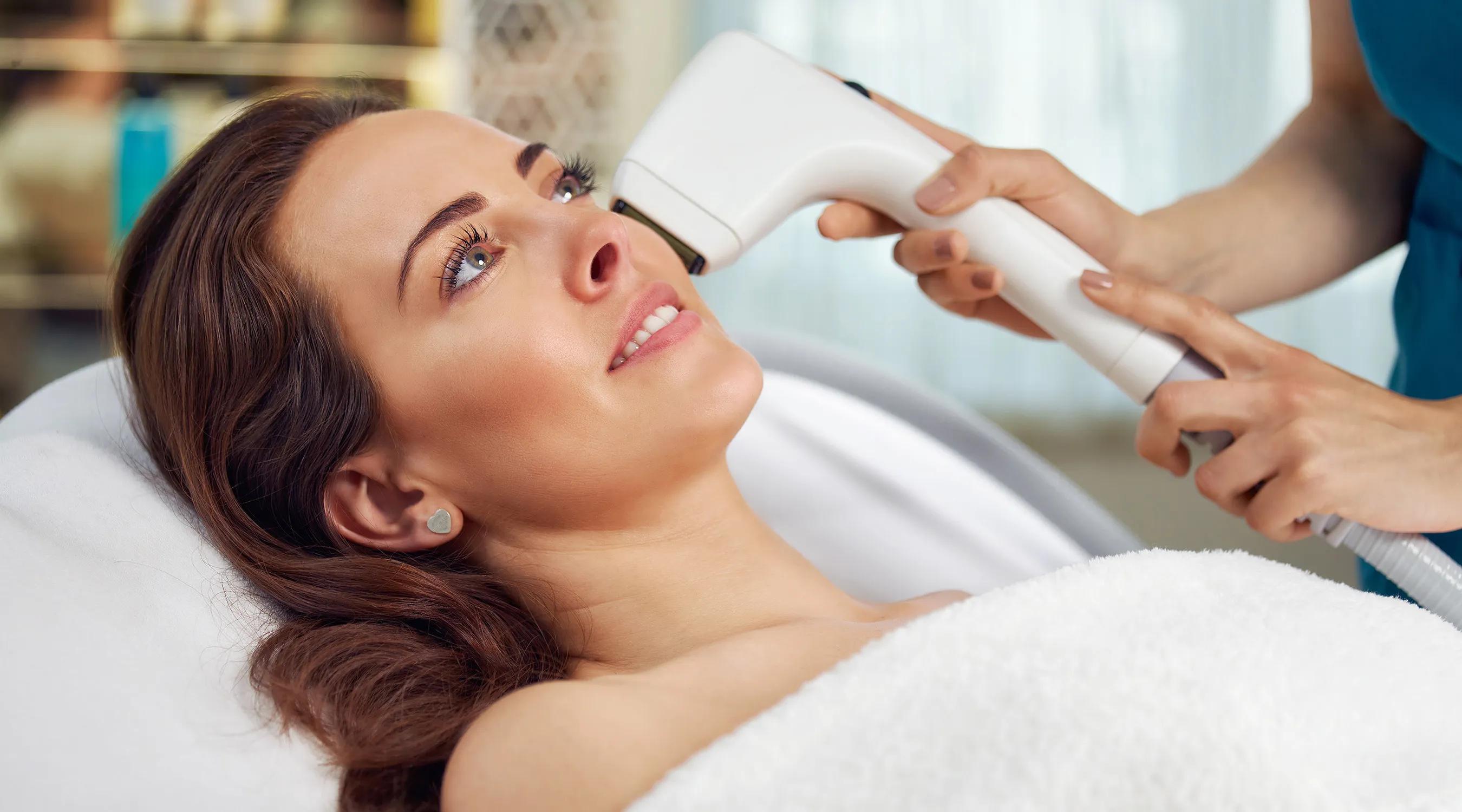
Catherine walks into a CQC-regulated clinic near Guildford on a Wednesday morning. She's 52, works in marketing, and has noticed her jawline softening over the past two years. Surgery feels like too much. Fillers worry her. She wants something effective but subtle. Her practitioner recommends Sofwave treatment, a non-surgical ultrasound procedure that lifts and tightens by rebuilding collagen deep in the skin. Forty-five minutes later, Catherine leaves with mild redness and a plan to check progress in three months. This is the promise of Sofwave: precision tightening with minimal disruption to daily life.
What Sofwave Is and Who It's For
Sofwave is an FDA-cleared collagen remodeling treatment. It uses focused ultrasound energy to heat a precise layer of tissue beneath the skin's surface. That controlled heat triggers the body's natural repair process. New collagen forms over weeks and months. The result is gradual lifting and smoothing of lines on the face, neck, chin area, and even upper arms. The procedure does not require general anaesthesia or scalpels. Most sessions last 30 to 45 minutes.
It is designed for adults in their 30s and older who have mild to moderate skin laxity. People who want a natural-looking lift without surgery often choose it. The treatment suits those willing to wait several months for full results. It appeals to anyone seeking minimal downtime and a non-invasive alternative to facelift surgery or aggressive energy devices.
Areas Treated: Face, Neck, Submental, and Upper Arms
Facial lines and eyebrow lift
Sofwave targets fine lines and wrinkles on the forehead, around the eyes, and across the cheeks. The ultrasound energy also lifts drooping eyebrows without incisions. This creates a more open, alert appearance. Many patients notice reduced hooding over the eyelids as brow position improves. The lift is subtle and progressive, preserving natural facial movement and expression.
Neck and submental lifting; skin laxity on upper arms
Loose skin under the chin and along the neck responds well to ultrasound stimulation. The same technology can tighten sagging skin on the upper arms, a common concern after weight loss or ageing. Each area is treated with multiple ultrasound passes to ensure even collagen remodeling. Results build over months as new tissue replaces aged collagen and elastin fibers.
How Sofwave Works: SUPERB Technology, Collagen Remodeling, and Safety
Synchronous Ultrasound Parallel Beam (SUPERB) Targeting the Mid-Dermis (≈1.5 mm)
Sofwave delivers ultrasound beams in parallel, all firing at the same time. This is called Synchronous Ultrasound Parallel Beam technology, or SUPERB. The beams converge at a depth of approximately 1.5 millimetres below the skin surface. At that depth lies the mid-dermis, a layer rich in fibroblast cells that produce collagen and elastin. When ultrasound heats this layer to the right temperature, fibroblasts switch on. They begin manufacturing fresh collagen. Over the following months, old, fragmented collagen is replaced. The skin becomes firmer and smoother.
Depth matters because targeting too shallow risks burning the epidermis. Targeting too deep may miss the collagen-rich zone or cause discomfort in underlying muscle or fat. At 1.5 mm, the energy avoids surface damage while delivering enough heat to trigger a healing response. The precision is what separates Sofwave from older or less controlled ultrasound devices.
Integrated Cooling and Device Safety vs HIFU/Ultherapy
Every Sofwave handpiece includes an integrated cooling layer. This layer sits against the skin during treatment. It protects the uppermost skin layer, the epidermis, from heat injury. Cooling means the procedure can be delivered safely across a range of skin tones without risk of hyperpigmentation. It also makes the treatment more comfortable, reducing the sensation of heat as ultrasound pulses are delivered.
Sofwave differs from high-intensity focused ultrasound devices like Ultherapy. HIFU systems target deeper layers, sometimes as far as the muscle fascia. That can produce stronger lifting but often comes with more discomfort and longer recovery. Sofwave's mid-dermal focus offers a middle path: effective tightening with less pain and faster return to normal activity. The integrated cooling is a design advantage not always present in other ultrasound or radiofrequency systems.
Treatment Journey at Health & Aesthetics, Surrey
Consultation and Preparation
Before any ultrasound passes, a clinician assesses your skin. They measure laxity, examine the areas you want to improve, and review your medical history. This consultation establishes realistic expectations. If you have metal implants in your face, a pacemaker, or conditions like Bell's palsy, you may not be suitable. Active skin infections, pregnancy, and breastfeeding are also contraindications. The clinician will explain how many ultrasound lines you need and what timeline to expect for visible change.
Pre-care is straightforward. Avoid retinoids, acids, and other irritating skincare for a few days before treatment. Tell your clinician about all medications, especially blood thinners or immune-suppressants. Avoid excessive sun exposure and sunburn. If you have a history of cold sores near the treatment area, antiviral medication may be recommended. Timing matters: plan the session when you can allow a day or two of social downtime if mild swelling appears.
During Treatment: 30–45 Minutes, Numbing Cream, No Anesthesia
On treatment day, a numbing cream is applied to the target areas. It sits on the skin for 20 to 30 minutes. Once numb, the clinician maps the face or body part with a surgical marker. These marks guide the placement of ultrasound lines. A coupling gel goes on next, just like a standard ultrasound scan. The Sofwave handpiece is pressed against the skin and fired in a systematic pattern. Each pulse lasts a fraction of a second. You feel brief warmth or tingling, but the numbing cream and integrated cooling keep discomfort manageable for most people.
The clinician works methodically, covering the planned zones with overlapping passes. The device beeps with each pulse. Some patients describe a prickling sensation or mild pressure. After all lines are delivered, the gel is wiped away. The clinician checks for immediate redness or swelling, which are normal and usually fade within hours. You leave the clinic the same day. No bandages, no stitches, no drains. Make-up can often be applied the next day if redness has settled.
Results, Timeline, and Maintenance
When You'll See Changes and Why It Takes Time
Light improvements may appear as early as three months after treatment. Best results typically emerge between six and nine months. This delay is biological, not technical. Collagen remodeling is a gradual process. Fibroblasts need weeks to lay down new protein fibers. Those fibers then contract and organize into tighter, more youthful architecture. Patience is essential. The lift and smoothing continue to develop long after you leave the clinic.
Outcomes vary by age, skin quality, lifestyle, and genetic factors. Younger patients with good baseline collagen often see more dramatic tightening. Smokers, sun-damaged skin, or those with significant pre-existing laxity may experience subtler gains. Weight fluctuations, hormonal changes, and UV exposure can all influence how long results last. Realistic expectations are set during consultation: Sofwave offers measurable improvement, not surgical transformation.
How Many Sessions, Longevity, and Combining Treatments
Many patients improve after a single session. Clinical studies supporting FDA clearance were based on one treatment. Some individuals benefit from a second session, especially if laxity is moderate to severe or if the first session delivered partial tightening. A second round is typically scheduled six to twelve months after the first, once collagen remodeling from the initial treatment is complete.
Results can last one to two years or longer, depending on ageing rate and skin care habits. Maintenance sessions may be recommended to sustain the lift. Sofwave can be combined with other treatments. Many clinics pair it with dermal fillers to restore volume, anti-wrinkle injections to soften dynamic lines, or medical-grade skincare to protect new collagen. Sequencing matters: ultrasound is usually delivered before filler to avoid displacing hyaluronic acid, and spacing from injectables is planned to protect both results.
Suitability, Benefits, and Contraindications
Benefits and Realistic Expectations
Sofwave offers a non-surgical facelift effect with minimal disruption to work or social life. The procedure refines facial lines, lifts sagging brows, sharpens the jawline, and smooths neck creases. Downtime is measured in hours or a day, not weeks. Because collagen builds gradually, the change looks natural. Friends may notice you look rested or refreshed without being able to pinpoint why. Facial movement remains normal; there is no frozen appearance or unnatural tightness.
The treatment preserves your ability to make expressions. It does not paralyse muscles like botulinum toxin, nor does it add volume like filler. Instead, it works from within the skin itself, restoring structural support. This makes it ideal for people who want subtle rejuvenation and are willing to wait for results. It suits those who value safety, FDA clearance, and a proven track record over aggressive or experimental techniques.
Contraindications and When to Avoid Sofwave
Bell's palsy, muscle weakness, facial metal implants, pacemakers
If you have a history of Bell's palsy or other muscle weakness in the face, ultrasound energy may pose additional risks. Metal stents, pins, or plates in the facial area can reflect or concentrate energy unpredictably, leading to burns or uneven heating. Pacemakers and other electronic medical implants in or near the treatment zone are absolute contraindications. The ultrasound pulses may interfere with device function or cause malfunction.
Active skin disease, pregnancy, breastfeeding
Active acne, eczema, psoriasis, or cold sores in the treatment area must be resolved before Sofwave. Treating inflamed or broken skin increases infection risk and reduces effectiveness. Pregnancy and breastfeeding are also contraindications, as safety data in these populations does not exist. If you have autoimmune conditions, keloid scarring history, or take medications that impair healing, discuss these with your clinician. Honesty during consultation protects your safety and optimises outcomes.
Pricing and Value in Surrey
Sofwave Cost: From £550 and What Influences Price
Sofwave pricing in Surrey starts from £550 per session. The final cost depends on the number of areas treated and the total number of ultrasound lines required. A single zone, such as the eyebrows or upper arms, may sit at the lower end. Full-face and neck combinations or addressing multiple concerns in one visit will increase the price. Bespoke treatment planning ensures you pay only for what you need, with no wasted energy on areas that do not require lifting.
Follow-up appointments and maintenance sessions may be recommended as results mature. If you pair Sofwave with dermal fillers, anti-wrinkle injections, or advanced skincare, the total investment rises. Some clinics offer package pricing or loyalty discounts. Always ask for a written quote during consultation, including any additional costs for numbing cream, aftercare products, or review appointments. Transparent pricing helps you budget and compare value across providers.
Value vs Other Non-Surgical Options
Compared to HIFU, Ultherapy, and radiofrequency microneedling, Sofwave occupies a distinct position. HIFU and Ultherapy target deeper layers and can deliver stronger lifts, but often with more discomfort and longer recovery. Radiofrequency microneedling combines needling with heat, treating texture and tone alongside tightening, but may require multiple sessions. Sofwave's mid-dermal focus, integrated cooling, and single-session protocol offer a balance of efficacy, comfort, and convenience.
Session count matters when comparing value. A treatment that requires three visits may cost less per session but more in total time and money. Comfort influences compliance: patients who find a procedure too painful may skip maintenance or abandon treatment altogether. Predictability of results is another factor. FDA clearance and published clinical data give Sofwave a reliability edge over newer or less-studied devices. Weighing these variables helps you choose the right tool for your goals and tolerance.
FAQs: Quick Answers
Does Sofwave Hurt? What Does It Feel Like?
With numbing cream, most people describe the sensation as brief warmth or tingling. Each ultrasound pulse lasts a fraction of a second. Some areas, like the jawline or brow, may feel more sensitive. The integrated cooling layer reduces discomfort. Pain tolerance varies, but the procedure is generally well tolerated. If you have a low pain threshold, discuss additional comfort measures with your clinician.
Is Sofwave Safe for Darker Skin Tones?
Yes. Sofwave targets the mid-dermis, not the pigment in the epidermis. The integrated cooling protects the skin surface from heat injury. This design supports safe treatment across all skin tones without risk of hyperpigmentation or burns. Always choose a clinician experienced in treating diverse skin types and who conducts a thorough pre-treatment assessment.
Can Sofwave Replace a Surgical Facelift?
Sofwave is excellent for mild to moderate laxity. It will not remove large amounts of excess skin or reposition deep tissue the way a surgical facelift can. If you have significant jowls, deep neck bands, or pronounced sagging, surgery may be the only option for dramatic correction. Sofwave offers an alternative for those not ready for or not suitable for surgery, but it is not a substitute for scalpel-based procedures in advanced cases.
Will It Affect My Fillers or Botox?
Timing and sequencing matter. Sofwave is typically delivered before filler injections to avoid displacing hyaluronic acid. If you already have filler in place, your clinician will plan the ultrasound lines to avoid those zones or recommend spacing of several weeks. Botulinum toxin is usually safe to combine, but the injection schedule should be coordinated to ensure neither treatment interferes with the other. Always disclose all previous and planned aesthetic procedures during consultation.
How Should I Prepare and What to Avoid After?
Pre-care: Stop retinoids and exfoliating acids a few days before. Avoid active skin irritation, sunburn, or self-tanning products. Disclose all medications, especially anticoagulants or immunosuppressants. Inform your clinician of any metal implants, electronic devices, or history of facial nerve issues. Arrive with clean skin, free of make-up if treating the face.
Aftercare: You can resume normal activities within 24 hours. Mild redness, swelling, or tenderness is common and resolves quickly. Avoid intense heat, saunas, and vigorous exercise for 24 to 48 hours. Apply sunscreen daily to protect new collagen from UV damage. If you experience severe pain, blistering, or signs of infection, contact your clinic immediately. Follow any specific aftercare instructions provided by your practitioner.
Why Choose a CQC-Regulated Clinic Near Guildford and Farnham
Expertise, Technology, and Patient Care at Health & Aesthetics
Health & Aesthetics operates under Care Quality Commission regulation. This means independent inspection of safety standards, staff training, and patient outcomes. The clinic uses FDA-cleared Sofwave with Synchronous Ultrasound Parallel Beam (SUPERB) technology. Equipment is maintained to manufacturer specifications. Practitioners are trained in ultrasound delivery, skin assessment, and complication management. CQC oversight provides accountability and reassurance that clinical governance is in place.
Next Steps and How to Book
Considering a non-surgical facelift like Sofwave? Book a consultation to discuss your concerns, review your medical history, and see before-and-after examples. The clinician will outline expected results, pricing, and any necessary follow-up. Consultations allow you to ask questions, understand risks, and decide if Sofwave aligns with your goals. Transparent communication and realistic planning are the foundation of safe, satisfying aesthetic outcomes.