

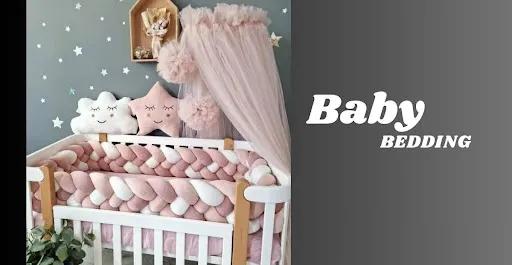
Creating a cozy and safe sleep environment for your baby is essential, and choosing the right Baby Bedding Sets plays a significant role. With a myriad of options available, it can feel overwhelming for new parents. The right bedding not only ensures comfort but also contributes to the baby’s overall health and sleep quality. From material selection to design, understanding the key factors can make this decision much easier. This guide simplifies the process, offering expert advice to help you choose bedding that keeps your baby safe, happy, and well-rested.
Understanding Baby Bedding Sets
Baby Bedding Sets typically include a fitted sheet, blanket, mattress protector, and sometimes a comforter or bumper. Each item serves a purpose in maintaining hygiene, warmth, and comfort. Experts recommend focusing on breathable materials that reduce the risk of overheating and allergies. Cotton is often the preferred choice due to its softness and natural fibers. It is also durable, easy to wash, and gentle on a newborn’s sensitive skin. Choosing hypoallergenic options ensures minimal exposure to dust mites and other irritants. Keeping your baby’s sleeping environment safe and clean supports their overall growth and development.
Choosing the Right Material
When selecting Baby Bedding Sets, the material should be your first consideration. Natural fabrics like cotton, bamboo, and organic blends are ideal because they allow airflow and regulate temperature. Avoid synthetic fabrics that may cause sweating or irritation. Organic cotton is especially recommended for newborns, as it is free from harmful chemicals. Check for certifications like OEKO-TEX Standard 100, which confirms the fabric is safe for babies. Softness matters, but durability is equally important. A balance between comfort, safety, and ease of cleaning ensures your investment lasts throughout the early years.
Size and Fit Matter
Ensuring a snug fit for your baby’s bedding is critical for safety. Ill-fitting sheets can bunch up and create a suffocation hazard. Always measure the crib mattress accurately before buying a set. Most standard cribs have mattresses of approximately 28 x 52 inches, but variations exist. Opt for fitted sheets that stretch over the mattress securely. Avoid loose blankets or quilts inside the crib, as these increase the risk of SIDS (Sudden Infant Death Syndrome). A well-fitted sheet or mattress protector not only enhances safety but also helps your baby sleep comfortably without disturbances.
Safe Design and Patterns
While cute designs and colorful prints are tempting, safety should come first. Avoid bedding with buttons, ribbons, or embellishments that can detach and pose choking hazards. Printed patterns or muted colors can stimulate visual development without overwhelming your baby. Light pastel tones often create a calming environment conducive to sleep. Some parents prefer minimalistic designs to reduce overstimulation. Always inspect the quality of stitching and seams to prevent loose threads. A safe, simple design can provide both aesthetic appeal and functional comfort for your newborn.
Tips for Maintaining Cleanliness
Keeping your baby’s sleep area clean is essential for health and comfort. Regularly washing Baby Bedding Sets prevents bacteria and allergens, while gentle detergents protect sensitive skin. Simple steps make cleaning easy:
Wash bedding weekly or after spills.
Use mild, fragrance-free detergents.
Dry completely to avoid mold.
Rotate sets for quick changes.
Use a mattress protector for extra hygiene.
Following these tips ensures your baby sleeps in a safe, clean, and comfortable environment every night.
Comparison Table: Bedding Material Benefits
Material | Pros | Cons |
Cotton | Soft, breathable, durable | Can shrink if not pre-washed |
Organic Cotton | Chemical-free, hypoallergenic | Higher cost |
Bamboo | Moisture-wicking, eco-friendly | Limited color options |
Polyester Blends | Affordable, wrinkle-resistant | Less breathable, synthetic |
This table highlights the advantages and disadvantages of popular bedding materials, helping parents make an informed decision. Selecting the right material balances comfort, safety, and practicality for daily use.
Organizing Your Baby’s Sleep Space
A well-organized crib promotes better sleep and reduces stress for parents. Keep bedding simple and minimal to prevent clutter. Store extra sheets, blankets, and mattress protectors nearby for quick changes. Avoid overloading the crib with toys, pillows, or bumpers. Consistency in bedding routines helps babies recognize sleep cues and feel secure. A tidy, thoughtfully arranged sleep space encourages calm and uninterrupted rest for both infants and caregivers.
Conclusion
Choosing the perfect doesn’t have to be complicated. Focus on breathable materials, proper fit, safe designs, and cleanliness. Keeping the crib simple and organized enhances sleep quality and ensures your baby’s safety. By making informed choices, parents can create a nurturing environment where babies thrive, rest peacefully, and wake happy and healthy each day. A little planning goes a long way in supporting your child’s growth and wellbeing.