

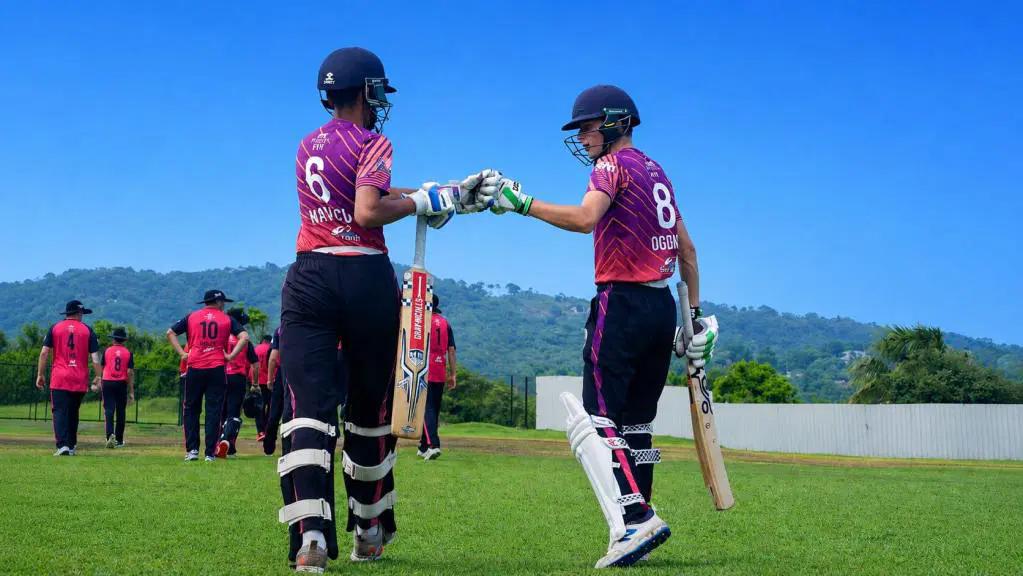
International cricket tours can place considerable demands on players. A team may travel between countries, play multiple formats, manage changing conditions, and compete across several weeks or months. Maintaining performance throughout such a schedule requires more than selecting the same group of players for every match.
Rotation does not necessarily mean a player has been dropped. In many situations, it is a planned decision designed to balance immediate match requirements with the longer term needs of the team.
What Does Player Rotation Mean in Cricket?
Player rotation refers to the deliberate management of playing time across a squad.
Instead of using the same XI throughout an extended tour, a team may make changes between matches.
A player could be rested for one fixture and return for the next. Another squad member may receive an opportunity because the team is playing on a surface that suits their particular skills.
Rotation can involve:
Resting fast bowlers
Managing all rounders
Giving reserve batters match experience
Using different spin options
Rotating wicketkeepers
Managing players across formats
Adjusting combinations for conditions
The exact approach depends on the schedule, squad depth, player workloads, and importance of individual matches.
Why International Tours Can Be Physically Demanding:
International cricket requires players to perform repeatedly at a high standard.
A tour can involve training sessions, travel, matches, recovery, media commitments, and preparation for different opponents.
A bowler playing several Tests in a short period may need substantial recovery time between matches.
Even batters and fielders can experience fatigue during long tours.
Rotation gives team management another way to distribute those demands across the squad.
Managing Fast Bowler Workloads:
Fast bowlers are often central to discussions about rotation.
The decision can depend on:
Overs bowled recently
Recovery time
Previous injuries
Match importance
Pitch conditions
Weather
Available replacements
The purpose is to preserve bowling strength throughout the tour rather than maximise the workload in one fixture.
Different Formats Require Different Players:
Modern international teams often compete across Test, ODI, and T20 cricket.
Each format has different tactical requirements.
A player who is ideal for Test cricket may not necessarily be the best choice for a T20 match.
Similarly, a specialist T20 batter may not be suited to a long Test innings.These format-specific differences are also something cricket followers consider when assessing T20 matches, where player roles and team combinations can influence the way a game unfolds. For those following the betting side of the sport, MadrasBook Cricket Betting is another option to explore.
When a tour includes multiple formats, teams may rotate players according to the demands of each format.
This can allow specialists to focus on the form of cricket where their skills are most effective.
It can also reduce the need for players to transition constantly between different tactical approaches.
Adapting to Different Playing Conditions:
International tours often involve significant changes in conditions.
Selection can therefore change according to the venue.
Giving Spin Bowlers Opportunities:
Spin bowling requirements can vary significantly between venues.
A spinner who is highly effective on turning surfaces may have fewer opportunities on a pitch that offers limited assistance.
Teams with several spin options can rotate them according to conditions.
This can also help management evaluate different bowlers at international level.
Building Squad Depth:
One of the biggest benefits of rotation is the development of players outside the regular XI.
A squad may contain talented players who have limited international experience.
Rotation allows reserve players to gain exposure.
Preparing Players for Unexpected Changes:
International cricket can change quickly.
An injury during training or a match can suddenly remove an important player from the squad.
Teams with strong depth are better positioned to respond.
Regular rotation means more squad members already have international experience.
This reduces the gap between first choice players and replacements.
The Importance of Match Practice:
Players who remain on the bench for long periods can lose some of their competitive rhythm.
Training is valuable, but match situations create different pressures.
Rotation can give squad members meaningful opportunities to compete.
This is particularly important for players returning from injury.
The appropriate process varies according to the individual situation.
Rotation Can Help Manage Mental Fatigue:
Physical fatigue is not the only concern during a long tour.
International cricket can also create mental pressure.
Players may spend weeks away from home while dealing with constant competition, travel, preparation, and expectations.
Resting Players Does Not Mean Weakening the Team:
A common misconception is that rotation automatically means selecting a weaker team.
That is not always the case.
Modern international squads often contain multiple high quality players.
Balancing Immediate Results With Long Term Planning:
Team management must constantly balance two objectives.
The first is winning the current match.
The second is maintaining a strong squad for future matches.
Playing the strongest available XI in every fixture may appear logical when viewed one match at a time.
However, if players become exhausted or injured, the team could be weakened later in the tour.
Rotation attempts to find a balance.
Tour Importance Can Influence Rotation:
Not every match carries the same significance.
Some fixtures may be part of a major series, tournament, or qualification pathway.
Others may provide opportunities for experimentation
Rotation During Test Tours:
Test cricket presents unique workload challenges.
Fast bowlers can be required to deliver repeated spells across several days.
Rotation during Test tours can therefore focus heavily on bowling workload.
Rotation During ODI Tours:
ODI cricket has a different workload profile.
A match lasts approximately a full day, and players can be involved in batting, bowling, and fielding for extended periods.
Rotation During T20 Tours:
T20 cricket involves shorter matches but can feature intense bursts of activity.
Players may be required to field, bat quickly, bowl high pressure overs, and adapt rapidly to changing situations.
T20 squads often contain specialists for different roles.
How Rotation Helps Younger Players:
Young players often need opportunities to understand international cricket.
A young player selected during a rotation can learn how to:
Prepare for an international match
Handle pressure
Communicate with teammates
Adapt to unfamiliar conditions
Respond to mistakes
Follow tactical plans
These experiences can accelerate development.
They also give selectors more information about how a player performs at a higher level.
The Role of Senior Players:
Rotation can also benefit senior players.
Experienced cricketers may need occasional breaks during long schedules to maintain their physical and mental condition.
Using Data to Manage Players:
Modern cricket teams increasingly use performance and workload data when making selection decisions.
Data can include information about:
Overs bowled
Bowling intensity
Running distances
Sprint frequency
Match workload
Recovery periods
Recent appearances
Performance trends
Data does not replace human judgement, but it can support more informed decisions.
Rotation and Injury Prevention:
Avoiding injuries completely is impossible.
However, sensible workload management can help teams reduce unnecessary physical stress.
This is especially relevant for players with previous injury concerns.
Challenges of Rotating Players:
Rotation also has potential disadvantages.
Frequent changes can affect team continuity.
Players need time to develop understanding with teammates, particularly in areas such as fielding positions, bowling plans, and batting partnerships.
Maintaining Team Balance:
Every player change can affect the overall balance of a team.
Replacing a fast bowler with a spinner may alter the bowling attack.
Changing a batter could affect the team's left hand and right hand combination.
Replacing an all rounder might require another player to take on additional responsibilities.
Communication Is Important:
Players are more likely to understand rotation when selection decisions are communicated clearly.
If a player knows they are being rested because of workload management, the decision can be easier to accept.
Rotation and Team Culture:
A successful team needs players to support one another even when they are not selected.
Rotation can contribute to a culture where squad members understand that different players may be required at different times.
How Rotation Can Improve Tactical Flexibility:
A team with several experienced players in different roles has more tactical options.
Coaches can select combinations based on conditions rather than relying on one fixed XI.
For example, the team could choose:
Three fast bowlers and one spinner
Two fast bowlers and two spinners
An additional all rounder
An extra specialist batter
Rotation allows coaches to evaluate these combinations in actual matches.
Over time, this can make the team more adaptable.
Rotation Is Different From Dropping a Player:
Selection changes can sometimes be misunderstood.
A player left out of an XI may assume they have been dropped, but the reason could be workload management, tactical rotation, or venue conditions.
Understanding the distinction is important.
Frequently Asked Questions:
Why do cricket teams rotate players during international tours?
Teams rotate players to manage workloads, provide match opportunities, adapt to conditions, and maintain squad depth during demanding schedules.
Are players rotated only because of fatigue?
No. Rotation can also be based on tactical requirements, pitch conditions, format differences, player development, and preparation for future matches.
Does rotation help young players?
Yes. It can give younger squad members opportunities to experience international cricket and understand the demands of higher level competition.
Conclusion:
Player rotation has become an important part of managing modern international cricket teams. Long tours can involve demanding schedules, multiple formats, frequent travel, changing conditions, and significant physical and mental workloads.
By rotating players strategically, teams can manage fast bowler workloads, provide younger players with experience, adapt combinations to different conditions, and maintain greater squad depth. At the same time, rotation must be carefully planned because excessive changes can affect team balance and continuity.