

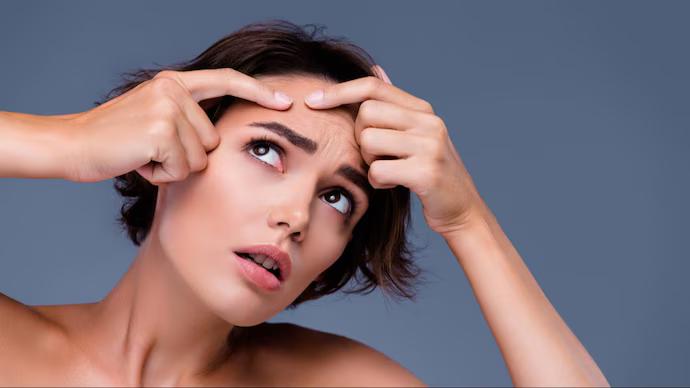
you might not realize it, but your skin and mind are closely connected. Stress, emotions, and mental health can directly affect how your skin looks and feels. At the same time, skin problems can influence how you feel about yourself and your confidence.
This two-way connection, often called the mind-skin connection, is gaining attention from healthcare professionals, psychologists, and dermatologists alike. Understanding it can help you take better care of both your mental health and your skin, improving overall wellbeing.
Let’s explore ten key ways the mind-skin connection impacts your life and what it means for your confidence and overall wellbeing.
Stress and Skin Inflammation
When you feel stressed, your body releases hormones like cortisol. These hormones can trigger inflammation in your skin, leading to flare-ups of acne, eczema, or psoriasis. Over time, repeated stress can worsen existing conditions and make your skin more sensitive, explains Sanam Zahedi, M.D, Owner & Plastic Surgeon of Sanam Zahedi, MD - Zahedi Plastic Surgery.
For you, this means that how you manage stress directly affects how your skin looks and feels. If your skin reacts to tension, you may notice breakouts before big events, or dryness and redness after a stressful week. Understanding this connection allows you to address both stress and skin health.
Managing stress with mindfulness, breathing exercises, or simple daily breaks can reduce inflammation and improve your skin’s appearance. Healthy skin, in turn, boosts your confidence and comfort in social and professional situations.
Anxiety and Breakouts
Anxiety doesn’t just affect your mind, it can impact your skin too. When anxiety levels rise, your body’s natural balance can shift, increasing oil production and triggering acne. You might notice that when you feel tense or overwhelmed, breakouts appear at the most inconvenient times.
This impact can affect your confidence. Skin flare-ups linked to anxiety may make you more self-conscious or less willing to engage socially. Recognizing the link between your mental state and skin condition helps you take proactive steps.
Incorporating stress-reducing routines and maintaining a consistent skincare regimen can help break the cycle. When your mind feels calm, your skin often follows, creating a positive loop that improves both appearance and self-esteem.
Depression and Skin Appearance
Depression can affect your skin indirectly by influencing habits like sleep, diet, and self-care. Poor sleep can leave your skin dull, while unhealthy eating habits may worsen inflammation or dryness. When depression impacts your skin, it can reinforce negative feelings about yourself.
For you, this connection means that taking care of your mental health is also taking care of your skin. Improving sleep quality, maintaining a balanced diet, and practicing self-care can help your skin recover, which in turn supports emotional wellbeing. Healthy skin boosts your self-image, making it easier to engage with others and feel confident in daily life.
Social Stress and Skin Reactions
Social situations, work pressures, and public interactions can cause temporary skin reactions like redness, sweating, or irritation. Some people experience flare-ups of conditions like rosacea in stressful social moments.
These reactions can make you more self-conscious, creating a cycle where stress worsens the skin, and the skin worsens stress. Understanding that your body is responding to social stress helps you approach situations with more patience and care.
Techniques like grounding exercises, mindfulness, and stress management can reduce visible reactions and improve your comfort. Feeling calmer in social situations improves your confidence and the way others perceive you.
Sleep and Skin Recovery
Sleep is crucial for skin repair. During rest, your body produces collagen, repairs damaged cells, and restores hydration. Poor sleep can cause dark circles, dullness, fine lines, and slow recovery from skin problems.
The mind-skin connection shows that mental stress or late-night anxiety can impact both sleep and skin simultaneously. When your mind is overactive, your skin cannot repair itself efficiently.
DMR Aesthetics: Dahlia Rice, M.D.- Female Chin Lipo Surgeon explains, “Prioritizing sleep by creating a calming bedtime routine, avoiding screens late at night, and practicing relaxation can improve both your mental health and your skin. Well-rested skin contributes to a brighter, healthier appearance, enhancing your confidence and self-esteem.”
Hormonal Balance and Emotional Health
Your hormones are influenced by mental and emotional health. Stress, anxiety, and emotional imbalance can affect hormones like cortisol, estrogen, and testosterone, which in turn impact your skin. Hormonal fluctuations can lead to acne, dryness, oiliness, or sensitivity.
For you, understanding this connection helps you identify triggers and manage your skin more effectively. Simple adjustments like stress management, balanced nutrition, and regular exercise support hormone balance, which benefits both mental health and skin health. When your skin is more stable, you feel better about your appearance, improving confidence and overall wellbeing.
Self-Image and Confidence
Your skin has a strong influence on how you feel about yourself. Flare-ups, scars, or uneven skin tone can affect your self-esteem and social interactions. When your confidence drops, it can increase stress, creating a feedback loop that worsens skin conditions.
By caring for your mental health alongside your skin, you break this cycle. Positive self-talk, realistic expectations, and mindfulness can help you maintain confidence even when skin issues appear. Supporting your skin with consistent care routines and professional guidance also helps you feel more comfortable in your own skin, reducing self-consciousness and boosting wellbeing.
Emotional Triggers and Skin Sensitivity
Certain emotions, like anger or frustration, can trigger temporary skin reactions such as redness or tightness. People with sensitive skin may notice these reactions more intensely, which can make everyday situations uncomfortable.
For you, being aware of emotional triggers allows you to anticipate and manage skin responses. Techniques like deep breathing, short breaks, and relaxation exercises can help calm your body and reduce visible reactions. When you manage emotional triggers effectively, your skin remains calmer, and your confidence in handling daily challenges increases.
Conclusion
The mind-skin connection is real, powerful, and deeply personal. Your mental and emotional state affects your skin, and your skin affects how you feel about yourself.
By understanding this link, you can take meaningful steps to care for both. Managing stress, prioritizing sleep, supporting emotional health, and following consistent skincare routines all improve how your skin looks and feels.
When you care for your mind and skin together, you enhance your appearance and strengthen your confidence and overall wellbeing. Clear, healthy skin reinforces a positive self-image, while a calm, balanced mind supports resilience and happiness.